
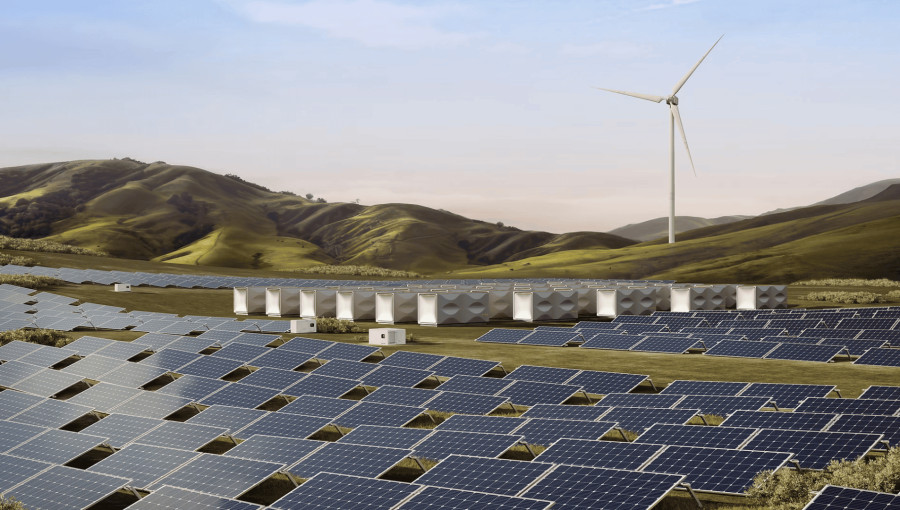
Noon Energy and Sabanci Renewables have entered a strategic partnership to provide round-the-clock clean power for energy-intensive AI infrastructure. By integrating Sabanci’s renewable energy portfolio with Noon Energy’s ultra-long-duration energy storage technology, the collaboration aims to overcome the intermittency challenges of wind and solar power. The project targets a capacity of up to 1 gigawatt, or 100 gigawatt-hours, utilizing reversible electrofuels battery systems. With commercial deployment anticipated by 2027, the initiative seeks to establish a reliable, 100% renewable baseload energy supply that can meet the growing electricity demands of the modern technology sector.
The rapid expansion of the AI industry has created a significant need for consistent electricity, highlighting the limitations of traditional renewable sources that rely on favorable weather conditions. To address this, the joint agreement focuses on deploying ultra-long-duration energy storage (ultra-LDES) to ensure that clean energy remains available 24 hours a day, 365 days a year. This approach is designed to provide a firm power supply, effectively turning variable renewable generation into a dependable resource for the grid.
Under the terms of the agreement, Sabanci Renewables will leverage its capital expertise and project development experience to scale the initiative, while Noon Energy will oversee the technical implementation and manufacturing of its battery systems. These projects will be structured through capacity offtake agreements or Power Purchase Agreements. The collaboration is a cornerstone of Sabanci Renewables’ broader objective to construct a 3-gigawatt renewable portfolio across the United States within the next five years.
Company leadership emphasized that this partnership is a vital step toward commercializing multi-day energy storage solutions. By combining technical innovation with established renewable infrastructure, the companies aim to create a scalable energy model that supports sustainable growth for the AI economy. Both organizations view this integration as essential for building a reliable, carbon-free grid that can meet the high-capacity requirements of future technological advancements while maintaining cost-efficiency.