
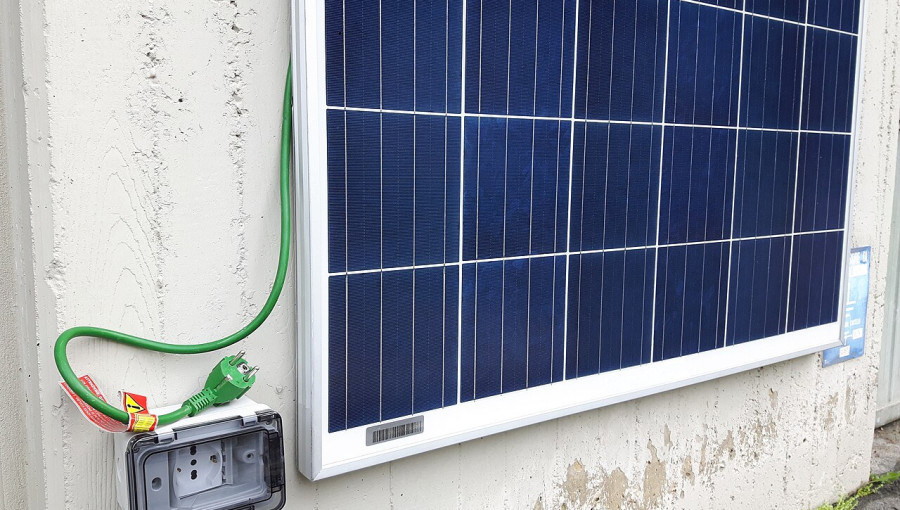
New Zealand’s Ministry for Regulation has proposed a significant overhaul of the country’s solar energy framework to simplify the adoption of small- to medium-sized systems. The recommendations aim to eliminate the fragmented, time-consuming regulatory hurdles that currently frustrate residential and business consumers. By streamlining approval processes and legalizing plug-in solar technology, the government hopes to reduce installation costs and wait times significantly. These changes are expected to provide substantial economic benefits over the next decade while empowering citizens to manage their energy bills more effectively by harnessing solar power, regardless of their housing situation.
The proposed reforms include fifteen key recommendations designed to remove unnecessary barriers for solar adopters. Among the most notable changes is the legalization of plug-in solar, a move Regulation Minister David Seymour argues is long overdue, noting that such systems offer a viable path for renters and apartment dwellers who cannot utilize traditional rooftop solar panels. Seymour emphasized that if these systems are successfully utilized in markets like Germany and the United Kingdom, they should be accessible to New Zealanders as well.
Efficiency is at the heart of the new proposal, which seeks to drastically cut both the financial and temporal costs of solar integration. Currently, the average residential solar installation can take up to three months and cost approximately NZD 640 in approval fees. The ministry estimates that implementing the new measures—which include exempting accredited installers from inspections for systems up to 100 kW and mandating that distributors approve sub-10 kW applications by the next working day—could reduce these figures to just six days and NZD 200.
For medium-sized installations under 100 kW, the ministry suggests a new five-day approval window. These improvements are projected to deliver net benefits between NZD 28 million and NZD 50 million over the next ten years. Energy Minister Simeon Brown has expressed strong support for the initiative, highlighting the government’s commitment to making solar energy faster and more affordable for the public. This regulatory review follows a recent move by the electricity authority to standardize grid access by introducing a 10 kW default export limit for residential solar and battery systems.