
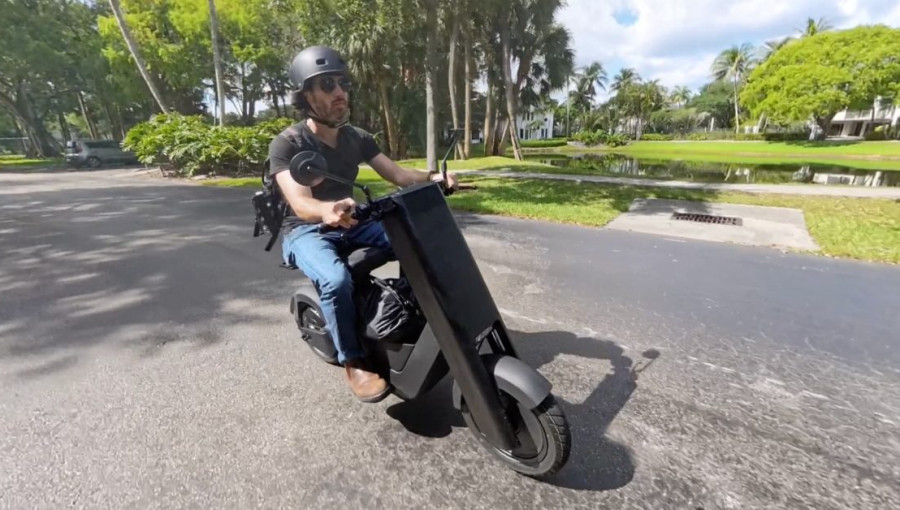
The electric bike industry is currently locked in an arms race, prioritizing increased speed and power that often blurs the line between bicycles and motorcycles. Rather than pushing e-bikes beyond their design limits, there is a growing need for a new category of modest-speed electric vehicles. These machines would bridge the gap between bicycles and full-sized motorcycles, offering a practical solution for urban travel. By establishing a regulatory framework for vehicles capable of reaching 35 mph, the United States could better accommodate the reality of modern city traffic while keeping traditional e-bikes safe for cycling infrastructure.
The existing Class 3 e-bike framework in the U.S. serves as a well-designed standard, capping speeds at 28 mph to ensure compatibility with bicycle lanes and multi-use paths. However, many riders seek a vehicle that is more capable than a bicycle but less intimidating and heavy than a 400-pound motorcycle. Vehicles like the Infinite Machine Olto illustrate this middle ground, offering features such as hydraulic brakes, mirrors, and robust lighting that prioritize safety and utility for city streets. These vehicles are designed for urban environments where traffic flow often exceeds the capabilities of a standard e-bike.
Creating a distinct regulatory class for these small electric vehicles would allow for higher speeds—around 35 mph—without forcing them into the same legal requirements as high-speed motorcycles. Such a classification would mandate essential safety equipment, including turn signals and proper braking systems, while keeping these vehicles off bike paths. This approach mirrors successful models in Europe and Asia, where mopeds and scooters are common, efficient alternatives to cars. By recognizing this middle ground, the U.S. could move beyond the current binary choice between bicycles and motorcycles, fostering a more practical and diverse landscape for urban electric mobility.