
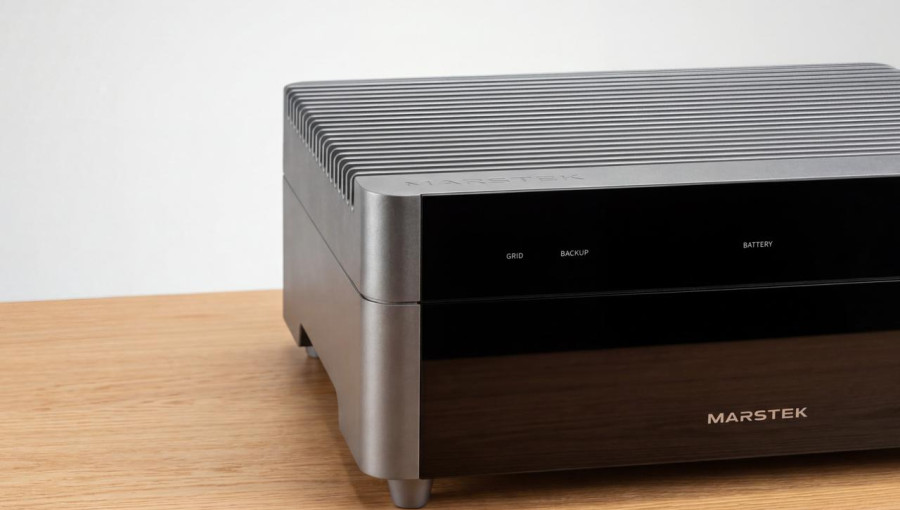
German digital utility provider Rabot Energy has introduced the Rabot Flow, a 2.12 kWh standalone home battery designed specifically for apartment renters. By allowing users to plug the device into standard wall sockets without the need for professional installation or smart meters, the company aims to bridge the “solar gap” for tenants excluded from traditional rooftop PV investments. The system utilizes dynamic electricity tariffs to charge during periods of low or negative grid prices, offering customers automated annual savings. This strategy focuses on customer retention by providing affordable, flexible energy storage solutions that bypass complex regulatory and infrastructure barriers.
The Rabot Flow, developed in partnership with manufacturer Marstek, is an indoor lithium-iron-phosphate (LFP) module that operates independently of solar systems. Rabot Energy’s chief operating officer, Konrad Schade, noted that avoiding solar integration was a deliberate economic decision to circumvent complex accounting issues under German EEG law. By focusing on grid-based arbitrage, the battery takes advantage of the increasing frequency of zero or negative electricity prices in Germany, effectively allowing users to be paid for charging their devices during peak supply windows.
The device is designed for portability and ease of use, weighing 22kg and complying with German regulations that permit small-scale residential storage under 800 W without requiring a certified electrician. Because the system connects directly to the Rabot Energy app via a dedicated cloud API, it can automatically manage charging cycles based on real-time market data. This integration allows the company to offer a guaranteed flat-rate saving of €120 per year to customers, even those currently awaiting the installation of smart meters.
Rabot Energy sells the hardware at cost, prioritizing long-term customer loyalty over immediate profit margins. This approach has proven effective, with over 90% of battery owners choosing to remain with the utility provider. As the company manages the administrative complexities of working with various distribution system operators to ensure proper billing, it continues to scale its operations. Following its success in the German market, Rabot Energy is now preparing to expand its services into Austria and Poland, further promoting the role of decentralized storage in grid stabilization.