
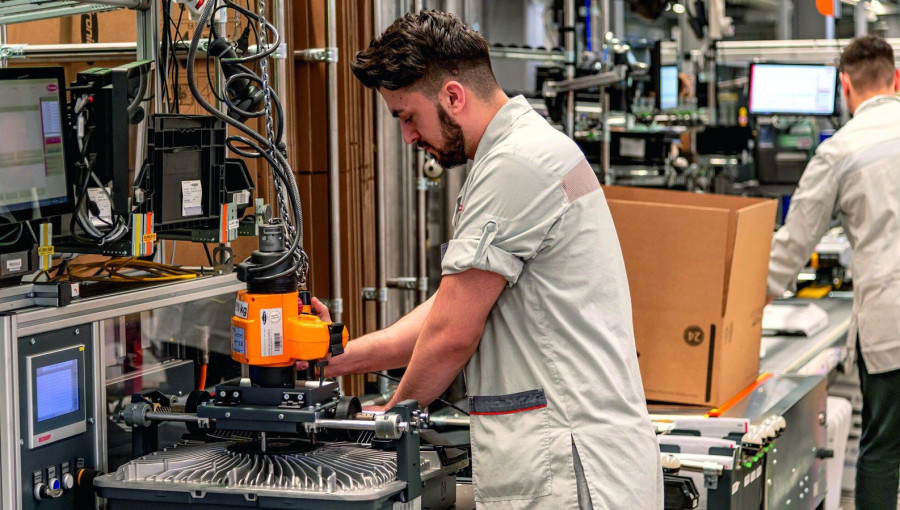
The European solar industry is asserting its readiness to scale up production to meet potential supply gaps as the European Union considers stricter limitations on Chinese-made inverters. Driven by concerns over infrastructure security and the potential for remote interference with grid-connected systems, the debate has shifted from trade to digital sovereignty. Austrian manufacturer Fronius claims it can increase its output to 17 GW annually within a year, leveraging existing industrial capacity. However, industry leaders emphasize that while the manufacturing potential is present, long-term investment depends on the establishment of clear, consistent regulatory frameworks from European policymakers.
Modern inverters have evolved beyond simple hardware into sophisticated network endpoints capable of receiving remote software updates. This connectivity has prompted the European Commission to scrutinize non-European manufacturers, as the location of remote-access infrastructure becomes a critical security factor. For asset operators and installers, the primary concern is ensuring that control over these digital systems remains secure. While current installations face no operational risks, the industry is increasingly focused on the geographic origin of software management systems as a key procurement criterion alongside traditional metrics like performance and price.
Fronius has positioned its own remote-access infrastructure within Europe, highlighting the link between energy transition goals and supply chain resilience. CSO Harald Scherleitner argues that the European solar sector possesses the industrial strength to replace a significant portion of imported hardware, provided the political environment supports such a transition. Despite these assurances, manufacturers remain cautious about expanding capacity without long-term policy guarantees. As the EU continues to refine its stance on foreign-made components, the solar market is preparing for a shift where the security of digital infrastructure will play as large a role as hardware efficiency.