
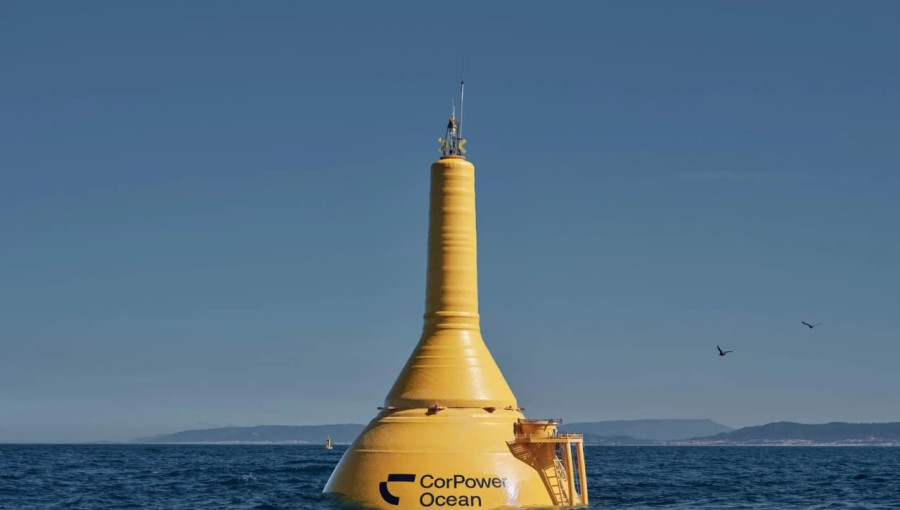
Swedish cleantech firm CorPower Ocean has achieved a significant milestone for the wave energy sector by securing a full DNV Prototype Certificate for its C4 wave energy converter. This rigorous safety certification, which took seven years to attain, validates the device’s structural integrity and performance in harsh offshore environments. By successfully weathering extreme Atlantic storms while maintaining grid connectivity, the C4 has moved beyond theoretical potential. This achievement addresses long-standing investor concerns regarding reliability and bankability, positioning wave energy as a consistent, viable complement to existing renewable sources like solar and wind power.
The C4 converter is a 100-ton buoy standing roughly four stories tall. It utilizes “WaveSpring” technology, a design inspired by the human heart that allows the device to resonate with the natural rhythm of ocean swells. This approach enables the unit to generate over 10 megawatt-hours per tonne, representing a significant increase in efficiency compared to previous wave energy technologies. During its testing phase off the coast of Aguçadoura, Portugal, the device demonstrated remarkable durability, surviving waves as high as 18.5 meters and resuming power exports to the grid immediately following severe weather events.
This certification is a pivotal development for the industry, as it mitigates the technology risks that have historically deterred financiers and insurers. With the DNV stamp of approval, CorPower Ocean is now advancing toward the VianaWave project, which aims to establish the world’s first 10-megawatt commercial wave farm in Portugal by 2029 or 2030, with additional projects planned for Scotland. While wave energy is not intended to replace solar or wind, its inherent consistency—operating day and night regardless of weather conditions—offers a unique advantage. With a global potential of 500 gigawatts, this technology is moving from a hypothetical concept to a tangible, reliable energy resource.