
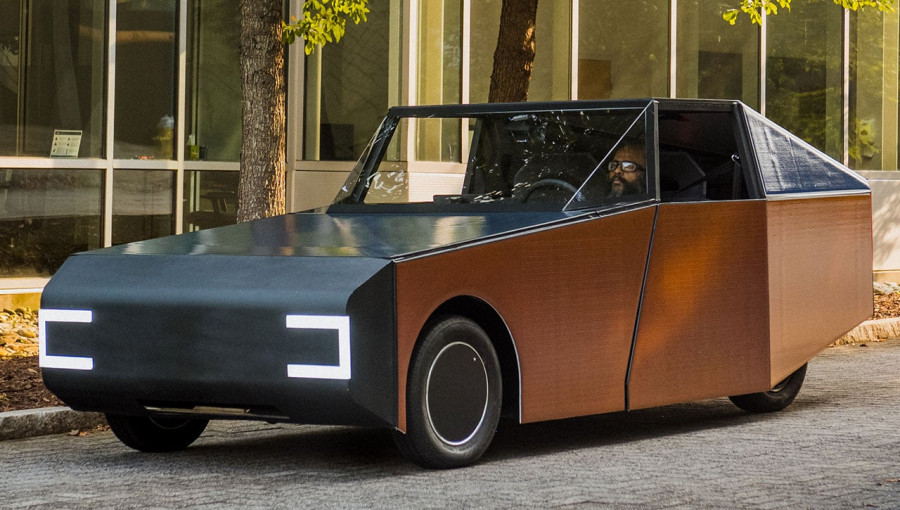
Clemson University students have unveiled the Deep Orange 17, an experimental electric vehicle concept dubbed Luminetta that functions as a mobile solar collector. Developed in partnership with BMW of North America and the Fraunhofer Institute for Solar Energy Systems, the two-seater features a unique photovoltaic skin consisting of over 1,781 solar cells. By capturing energy while parked or in motion, the vehicle aims to provide an energy-positive driving experience. Simulations suggest that for a typical 12-mile daily commute, the solar integration could generate enough power to provide an additional 31 miles of driving range.
The project emphasizes extreme efficiency to maximize the utility of its solar-generated power. Weighing only 550 kilograms, the prototype utilizes a lightweight multi-material chassis composed of steel, aluminum, carbon fiber, and 3D-printed metal joints. This reduced mass, combined with an aerodynamic, boxfish-inspired design, ensures the electric drivetrain requires minimal energy to operate. The vehicle also incorporates regenerative braking and optimized torque distribution to further decrease power consumption, prioritizing long-term energy efficiency over high-performance acceleration.
Created by 16 graduate automotive engineering students over a two-year period, the Luminetta serves as a research platform rather than a consumer production vehicle. While the exterior focuses on experimental aerodynamics and energy harvesting, the interior maintains modern usability with a custom data interface that supports Apple CarPlay and Android Auto. By demonstrating how a vehicle can actively replenish its own energy reserves, the Deep Orange 17 provides a glimpse into the future of sustainable personal transportation and the potential for integrating solar technology directly into the structural design of electric cars.