
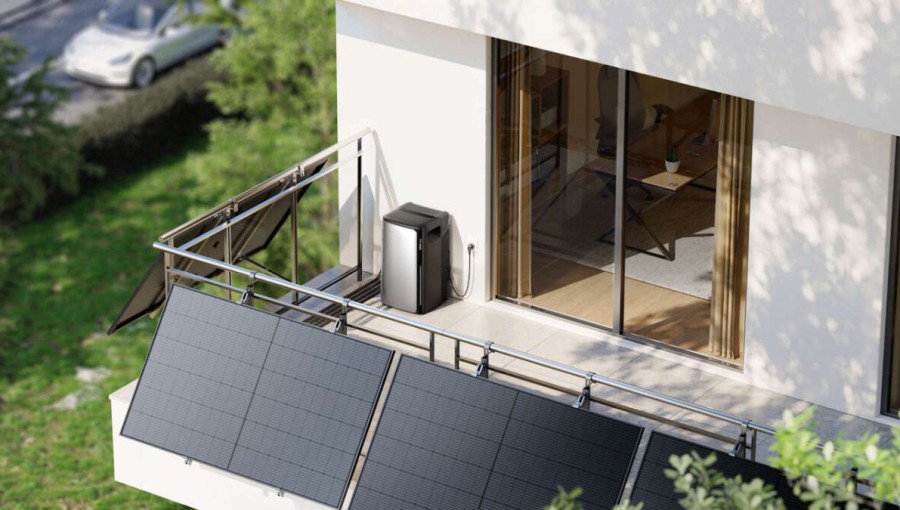
The United Kingdom has officially legalized “balcony solar,” allowing residents to purchase and install plug-in solar modules and batteries to power their homes. Following similar rollouts in Germany and Spain, the UK’s move has intensified calls for Australia to modernize its own regulations. Advocacy groups like Solar Citizens are urging Australian authorities to adopt similar safety standards, arguing that the technology is already accessible to consumers. With New Zealand also moving toward legalization, pressure is mounting on Australian officials to establish a clear, consistent framework that would allow renters and apartment dwellers to benefit from portable solar energy.
The UK’s recent adoption of plug-in solar technology, often referred to as “balcony power plants,” allows apartment residents to generate electricity from sun-drenched terraces. Major retailers have begun offering these systems, with entry-level units priced at £599. The UK government prioritized this initiative earlier this year as a strategy to enhance national energy security. By integrating these systems into existing wiring regulations, the UK has provided a blueprint for safe implementation, focusing on standardized inverters that shut down when unplugged and power output caps to prevent circuit overloads.
In Australia, the lack of a formal regulatory framework remains the primary barrier to adoption. Experts suggest that the path to legalization is straightforward and does not require new technology, but rather a clear set of rules. Glenn Morris of the Smart Energy Lab emphasizes that by implementing a product standard and a simple registration process with network providers, Australia could safely integrate these systems. Such a move would allow millions of Australians, particularly renters, to utilize 600-800 watt systems that can significantly reduce annual electricity bills.
Solar Citizens CEO Heidi Lee Douglas highlighted the urgency of the situation, noting that while the hardware is already available for purchase, the absence of official regulations prevents widespread, safe use. Because Australia shares many electrical safety standards with New Zealand, proponents argue that the regulatory groundwork could be completed within a year. By following the examples set by the UK, Germany, and New Zealand, Australian policymakers have the opportunity to provide a viable renewable energy solution for those who cannot install traditional rooftop solar arrays.