
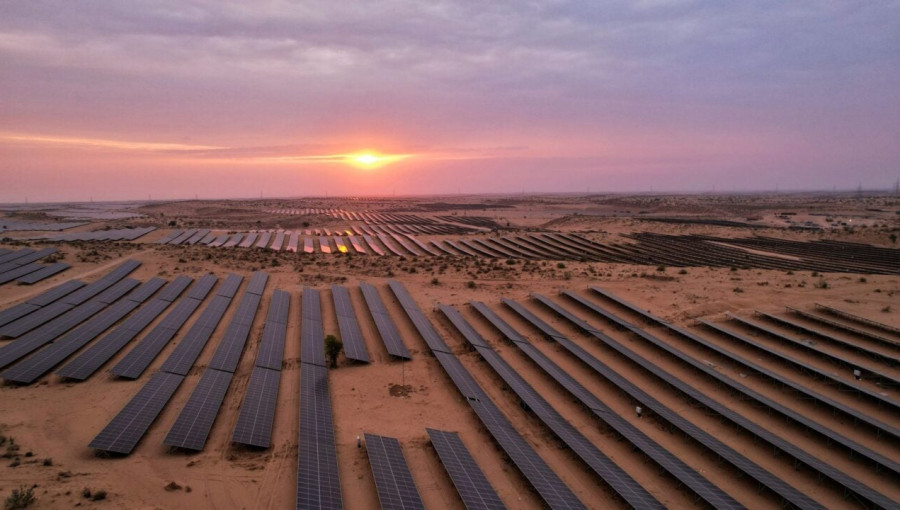
India is set to achieve a historic milestone in its renewable energy sector, with solar installations projected to exceed 50GWdc in 2026. According to a report by Wood Mackenzie, this record-breaking growth follows a surge of 34GWdc in the first half of the year, driven by developers rushing to complete projects before the implementation of the Approved List of Models and Manufacturers-II (ALMM-II). While this policy aims to bolster domestic manufacturing, it has triggered a supply crunch for solar cells, leading to an anticipated 20% increase in utility-scale system prices by the end of 2026.
The ALMM-II mandate requires government-backed projects to source solar modules, cells, and wafers from specific approved lists. This regulatory push has significantly altered supply chains, causing a shift in imports from China toward Southeast Asia, particularly Indonesia. Despite this, the domestic manufacturing sector is struggling to keep pace; while module production capacity is robust, cell manufacturing remains insufficient to meet the surging demand. Consequently, India imported 20GW of solar cells and 5GW of wafers in the first five months of 2026 alone, highlighting a persistent reliance on foreign components.
Looking ahead, the industry faces a challenging transition period. Although 130GW of new cell manufacturing capacity is expected to come online by 2029, current projections indicate that supply will remain tight through 2027. Analysts warn that any delays in bringing this new capacity online could further inflate costs. Furthermore, the government continues to refine its domestic content strategy, with plans to introduce ALMM-III in 2028, which will extend mandates to include solar wafers. While these policies are designed to create a fully integrated supply chain, the immediate impact remains a period of higher costs and supply volatility.