
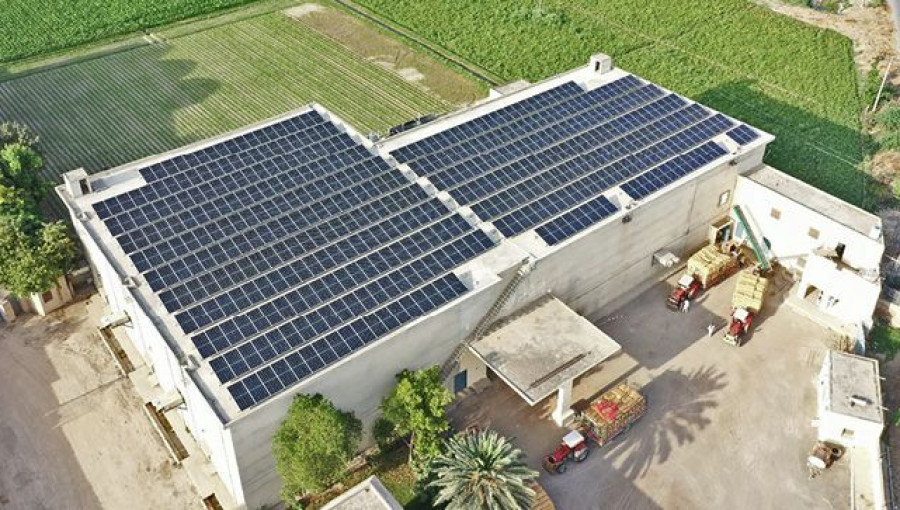
New analysis from the Pakistan Solar Association (PSA) reveals that distributed solar energy accounted for nearly 27% of Pakistan’s total electricity generation during the 2025 fiscal year. This significant contribution, totaling approximately 51 TWh, remains largely absent from official grid-side statistics. The rapid, consumer-driven adoption of solar technology has outpaced official tracking, leading to inaccurate system planning and misallocated investments. By examining demand patterns within the Lahore Electric Supply Company network, the PSA identified a substantial “duck curve” effect, where peak sunlight hours see a sharp decline in grid demand as behind-the-meter solar generation surges.
The surge in distributed solar adoption was primarily fueled by rising electricity costs, which were exacerbated by high capacity payments to independent power producers. Additionally, a decline in the cost of Chinese solar modules and persistent power outages encouraged consumers to pursue energy independence. This shift has created a disconnect between actual electricity usage and the data available to network operators, who are also failing to account for the growing electrification of two- and three-wheeled vehicles. The PSA warns that this lack of visibility into distributed energy resources is causing significant forecasting errors and inefficient infrastructure spending.
To address these challenges, the PSA’s research paper, “Pakistan’s Solar Revolution: Scale, Blind Spots, and the Path to DER-Aware Planning,” recommends that national authorities adopt frameworks similar to those used in Australia and the United Kingdom. By integrating distributed energy resources into a national energy plan and adopting more flexible approaches to transmission and distribution management, Pakistan could better align its grid infrastructure with the reality of its decentralized energy landscape. The association emphasizes that the speed of this solar transition caught operators off guard, necessitating a more proactive and data-driven approach to future energy planning.